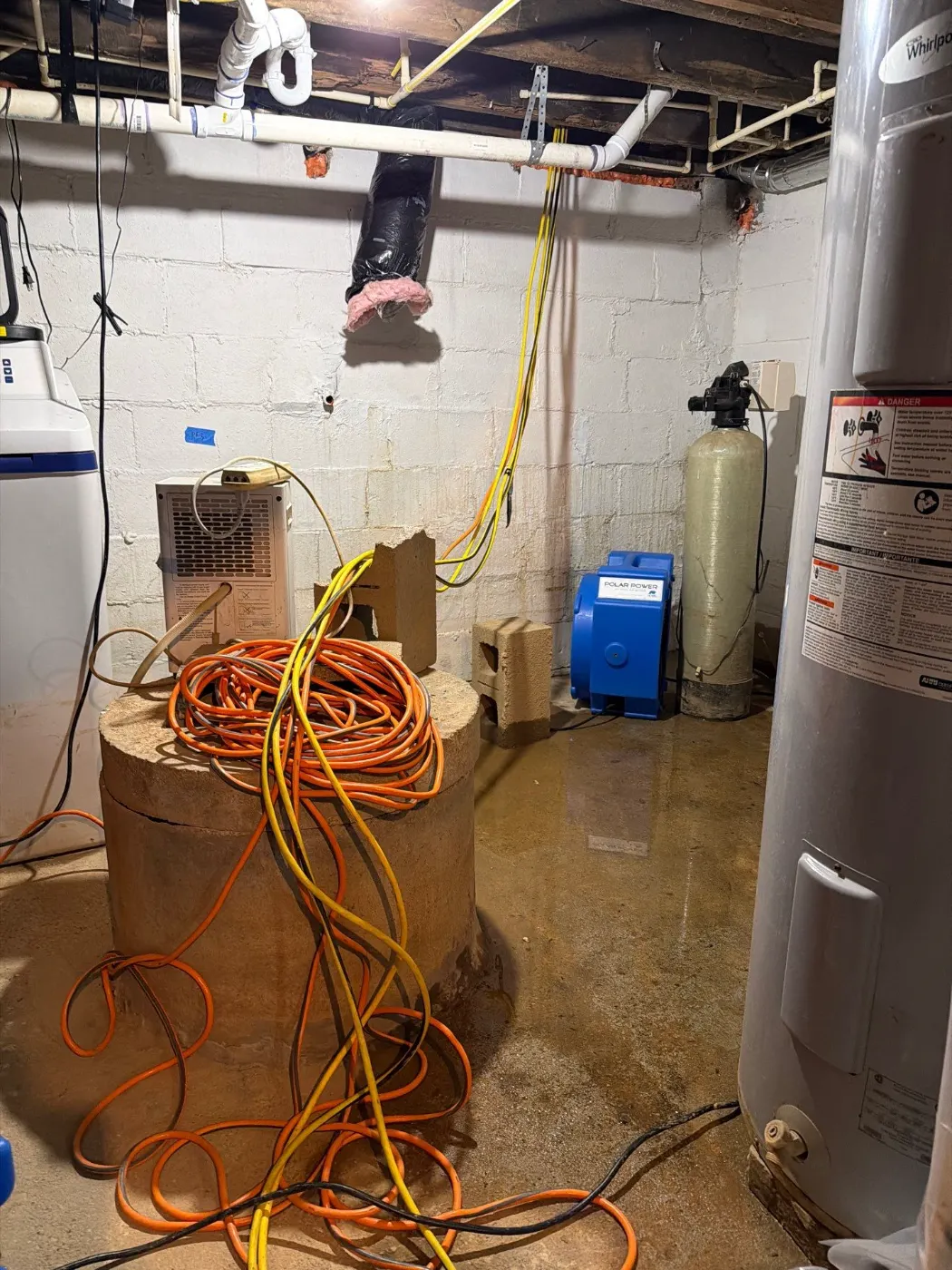
Sewage Cleanup in Yorktown, IN
Sewage backup cleanup for Yorktown homes, with containment and drying documented in a photo report you keep.
Yorktown Water Restoration provides professional Sewage Cleanup in Yorktown: emergency availability every day of the year, certified crews, and coordination with your insurance carrier on approved claims. Call (812) 515-1567.
- Service: Sewage Cleanup for Yorktown homeowners
- Service area: Yorktown, IN and surrounding areas
- Response time: Fast local response for Yorktown; live dispatch every hour of the year
- Licensed and insured (License #RC21100059)
- Serving Yorktown, IN since 2018
Sewage Backup Cleanup in Yorktown
We clean up sewage backups in homes across Yorktown, and we'll disinfect whatever can stay.
Sewer Lines Here
With a lot of the housing in Yorktown built between the 1950s and the 1970s, many still have cast iron sewer laterals. That's the pipe that carries waste out to the street sewer, and tree roots can work into its joints.
We work in every corner of Yorktown, including Laurel Meadows and the blocks around Yorktown Community Schools campus and Yorktown Public Library. We also clean up sewage backups in Gaston, Daleville, Muncie and Middletown.
Expert Sewage Cleanup for Yorktown Homeowners
Damp building materials can start growing mold within 24 to 48 hours, according to EPA guidance, and a sewage backup leaves carpet pad and drywall soaked at once. The sooner those materials leave your Yorktown home, the less has to be dried and the less likely mold work gets added to the job. Yorktown Water Restoration plans the removal around that clock.
Classification starts at the source, and water that came from a sewer line or a septic tank is Category 3 as soon as it enters the house, however clear it looks. A toilet overflow carrying waste gets the same label. Yorktown Water Restoration photographs the source in your Yorktown home and builds the removal plan from that classification.
Yorktown Water Restoration tells you up front which part of your Yorktown home stays usable while the work runs. Containment and negative air are what make that possible, and the crew keeps its entry on the route with the least traffic through clean space. Technicians wear respirators and disposable suits inside the work zone and change out at the entry, so contamination doesn't ride into the rest of the house on a bootprint.
Repairing the sewer line itself is usually a separate matter from cleaning up the damage it caused, and policies often treat the two differently. Ask your agent how yours handles each. Whatever the answer, keep the plumber's report and invoice with the Yorktown Water Restoration cleanup file for your Yorktown home, since they show where the blockage was and what was done about it.
Call Yorktown Water Restoration now if water from a drain, a toilet or an ejector pit is standing in your Yorktown home. The crew dispatches within 2 hours, works under containment so the rest of the house stays usable, and leaves you with the readings and photographs from the job.
Signs You Need Sewage Cleanup
If you notice any of these in your Yorktown home, schedule a free inspection before the issue worsens.
A second backup within weeks of a plumber clearing roots from the line
A musty odor returning on humid days after a backup you thought you'd cleaned up
Laminate or vinyl plank flooring lifting at the seams after a toilet overflowed with waste
Water backing up out of the basement floor drain while the washing machine is draining
Brown drips falling from a ceiling light fixture beneath an upstairs bathroom after an overflow
Hardwood boards cupping just outside a bathroom where waste from the toilet ran across the floor
Wet carpet and a sewage smell that remain days after a plumber cleared the line
Floor drain cover pushed up or floating on dirty water rising from below
Carpet in the finished basement wet underfoot with a sour smell coming off it
Every drain in a house on a septic system running slow after days of heavy rain
How Yorktown Water Restoration Handles Sewage Cleanup
We follow these steps in order on every Yorktown job.
Source Isolation
Work opens with stopping the inflow. The crew locates the backup point, confirms whether the blockage sits on the house side or the public side of the line, and coordinates with the drain contractor clearing it while containment and extraction get staged.
Protective Gear and Zones
The crew suits up at the edge of the work area with disposable coveralls, gloves, boots and respirators, and marks the line between the work zone and the clean side. Gear comes off at that line and goes into bags.
Contents Sorting
Belongings in the room get sorted before the removal work starts. Anything the water reached is photographed and listed before it goes into bags, and hard goods that can be cleaned are set aside for separate cleaning.
Porous Material Removal
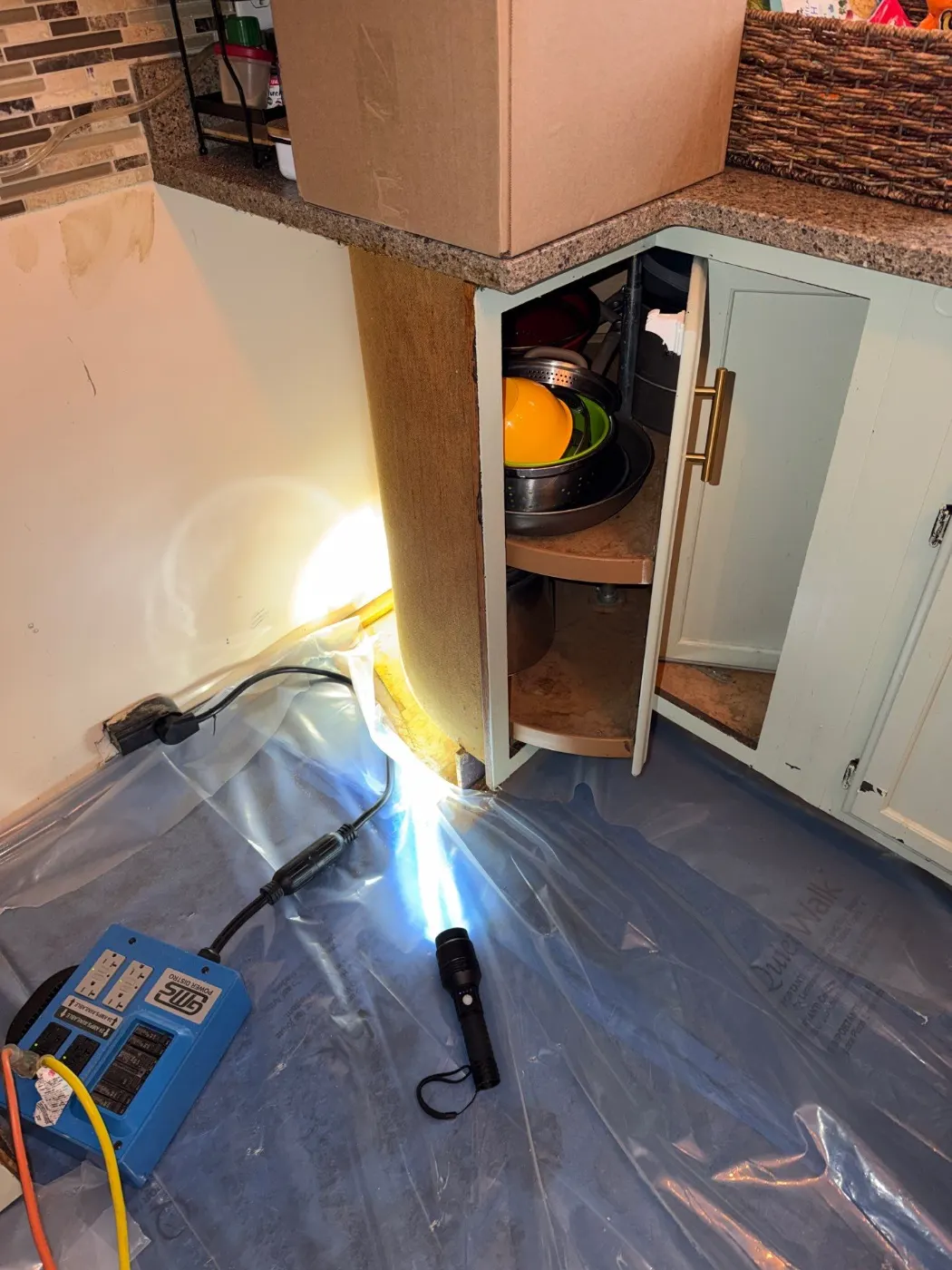
Carpet cushion, wet insulation, baseboard and drywall above the moisture line come out and get bagged for disposal, with an inventory photographed for the claim. The cut height sits where meter readings justify it, usually a foot or two above the staining.
Structural Drying
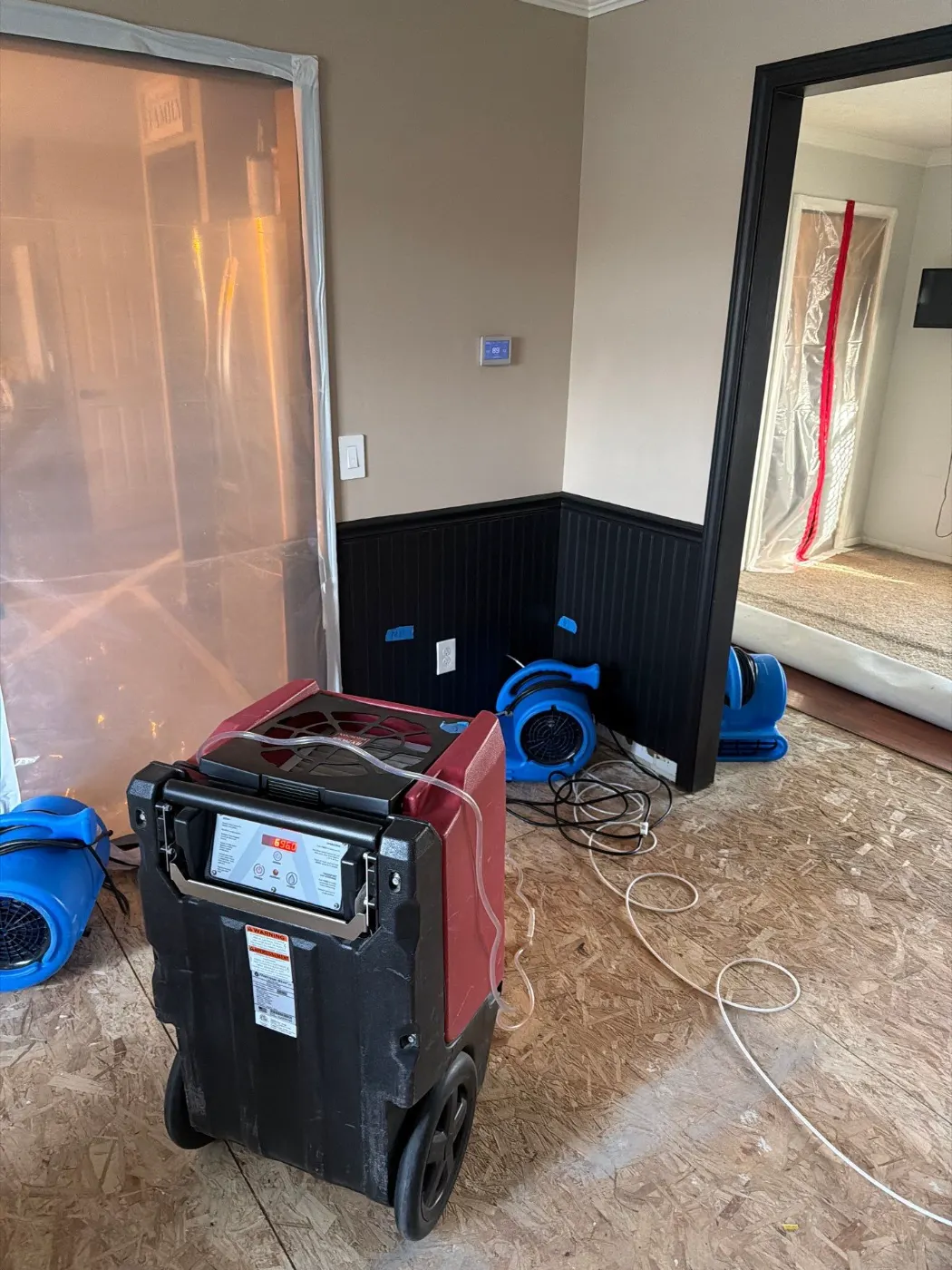
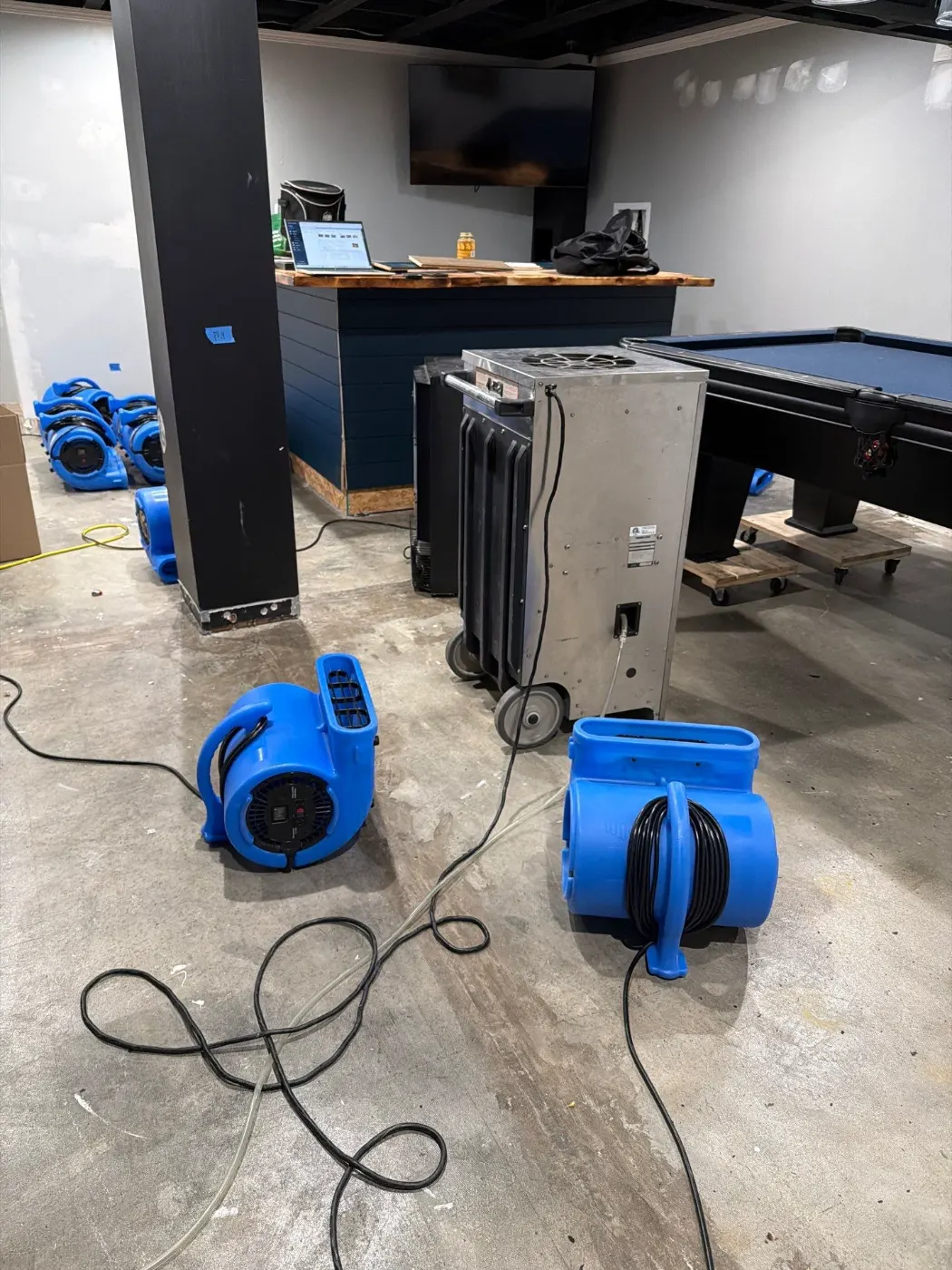
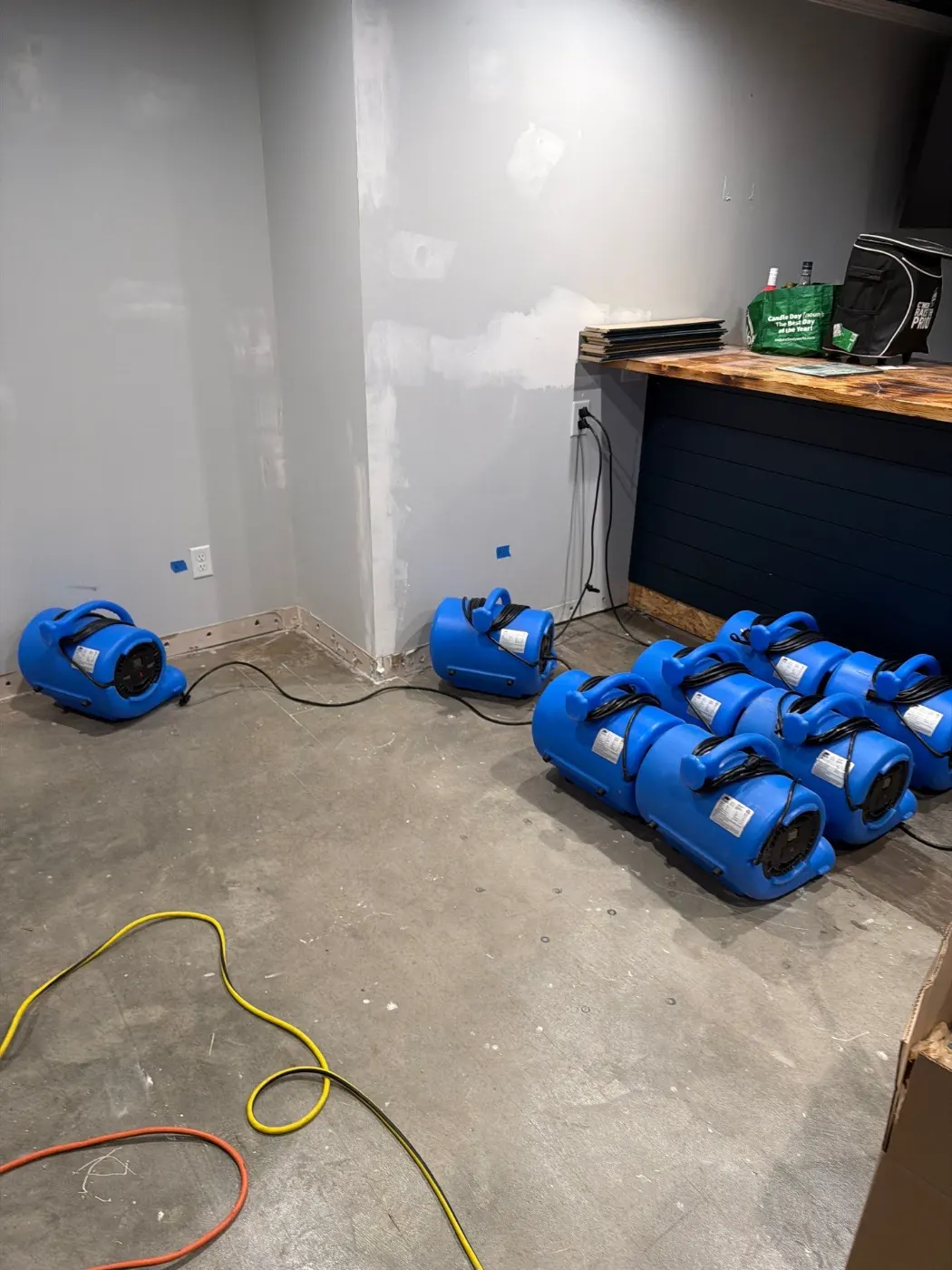
Commercial dehumidifiers sized to the affected cubic footage and air movers placed around the wet zone run until materials match unaffected baseline readings in the same house. Moisture readings get logged daily at marked locations while the equipment runs.
Sewage Cleanup in Yorktown
Photographs from real sewage cleanup jobs completed by our crew in Yorktown and surrounding areas.
Sewage Cleanup FAQ
Questions Yorktown homeowners ask us about sewage cleanup.
Guidance and Standards for Sewage Cleanup
- The ANSI/IICRC S500 is the published standard for professional water damage restoration. The current edition is the Fifth Edition, 2021. IICRC S500 Standard
- The Indiana Department of Insurance advises against permanent repairs before your insurance company inspects the damage. Check your own policy for what it covers. Indiana Department of Insurance: Insurance Claim Tips
Yorktown Neighborhoods We Serve
We take sewage cleanup calls in every part of Yorktown. Pick your neighborhood for local details.
Other Restoration Services in Yorktown
Yorktown Water Restoration handles the full scope of restoration work. Explore our other services below.
Water Damage Restoration in Yorktown
24/7 emergency response. IICRC certified water restoration from extraction to full dry out.
Learn more →Basement Flooding in Yorktown
Basement water emergencies handled fast. Extraction, drying, mold prevention.
Learn more →Storm Damage in Yorktown
Storm related water emergencies. Tarping, extraction, drying, and full restoration.
Learn more →Request Sewage Cleanup
Reach Us Directly
Our team is available 24/7 for emergencies and ready to schedule inspections during business hours.
Need Immediate Help?
For active water or mold emergencies, call us directly. We are available 24/7.